Student Wellbeing
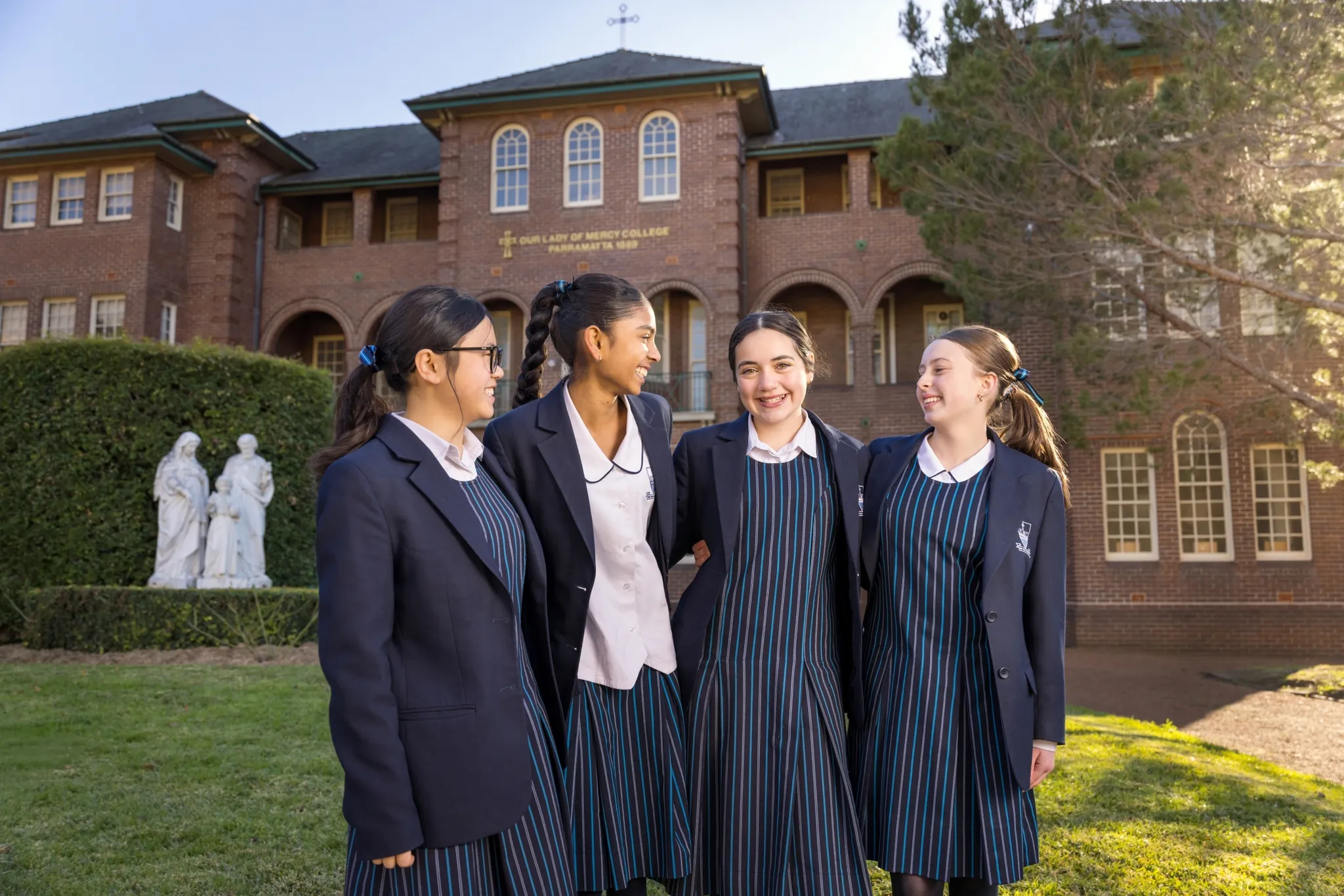
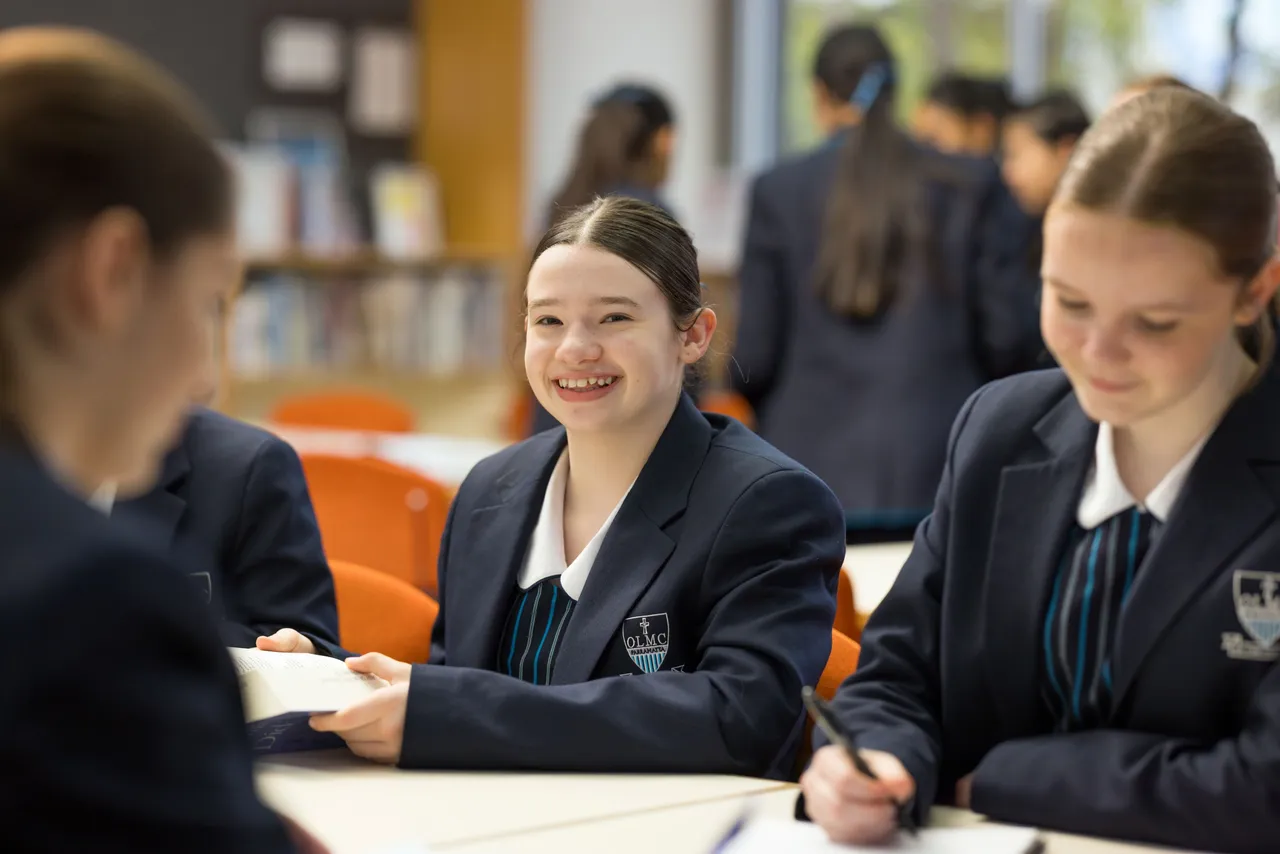
We firmly believe that a positive approach to learning, a nurturing environment and quality relationships improve student performance.
Student Wellbeing at OLMC
Student Wellbeing at OLMC Parramatta provides opportunities for students to foster confidence and competence in directing their personal, social, and spiritual development.
Students grow to accept themselves as worthwhile people who have the ability to shape their own lives. Student wellbeing is a major focus at the College and is built on four stages:
Purpose-Built Support
The College has a dedicated Student Centre featuring facilities and staff focused on delivering student wellbeing services to students. The Barbara McDonough Student Centre features student reception, sick bay, and purpose-built counselling offices. The offices of the Director of Student Wellbeing and Heads of House are also based at the Student Centre.
OLMC has two staff counsellors on site every day. Our counsellors have extensive experience in supporting adolescents in schools, providing confidential counselling support to students.
As integral members of the OLMC Student Wellbeing team, our counsellors are trained psychologists registered with the National Psychology Board of Australia.
The House System at OLMC
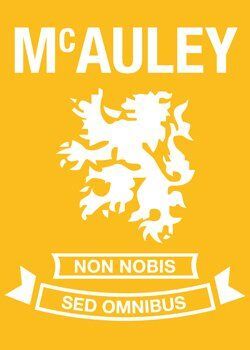
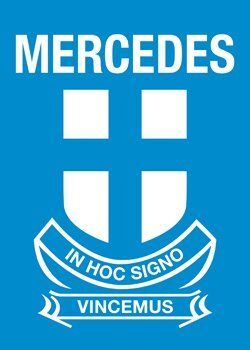
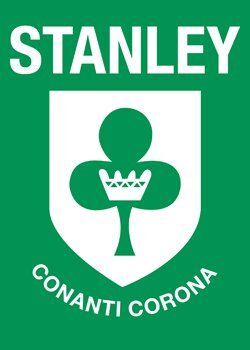
OLMC's Vertical House System brings students from Years 7-12 together, creating opportunities for girls of different ages to connect, support and learn from one another. Together with our Sister Houses partnerships, this structure strengthens students’ sense of belonging and encourages mentoring, leadership and lasting connections across the College.
Throughout the year, Houses come together for sporting carnivals, community activities and House challenges, competing for the coveted Spirit Cup.
Each House is named after a person or place connected to Catherine McAuley, founder of the Sisters of Mercy, and the Sisters from Callan, Ireland, who established the College in 1889. In this way, the House System strengthens both community and connection to our Mercy heritage.
Student Wellbeing FAQs
What wellbeing activities do students engage In?
OLMC Parramatta offers a wide variety of wellbeing session activities:
- Guest speakers and presentations
- Workshops
- Camps
- Social/peer relationship events
- Skill building classes
- Social justice activities
- Community activities
What does the Wellbeing Program look like for students transitioning to high school?
OLMC is committed to assisting new Year 7 students in making the exciting, but sometimes daunting, transition to high school. We have a number of initiatives in place including:
- Orientation Day: Incoming Year 7 girls have the chance to meet other girls in their Homeroom Group and their House Mentor, organise administrative things, learn about the College, and get an idea of what to expect in Year 7.
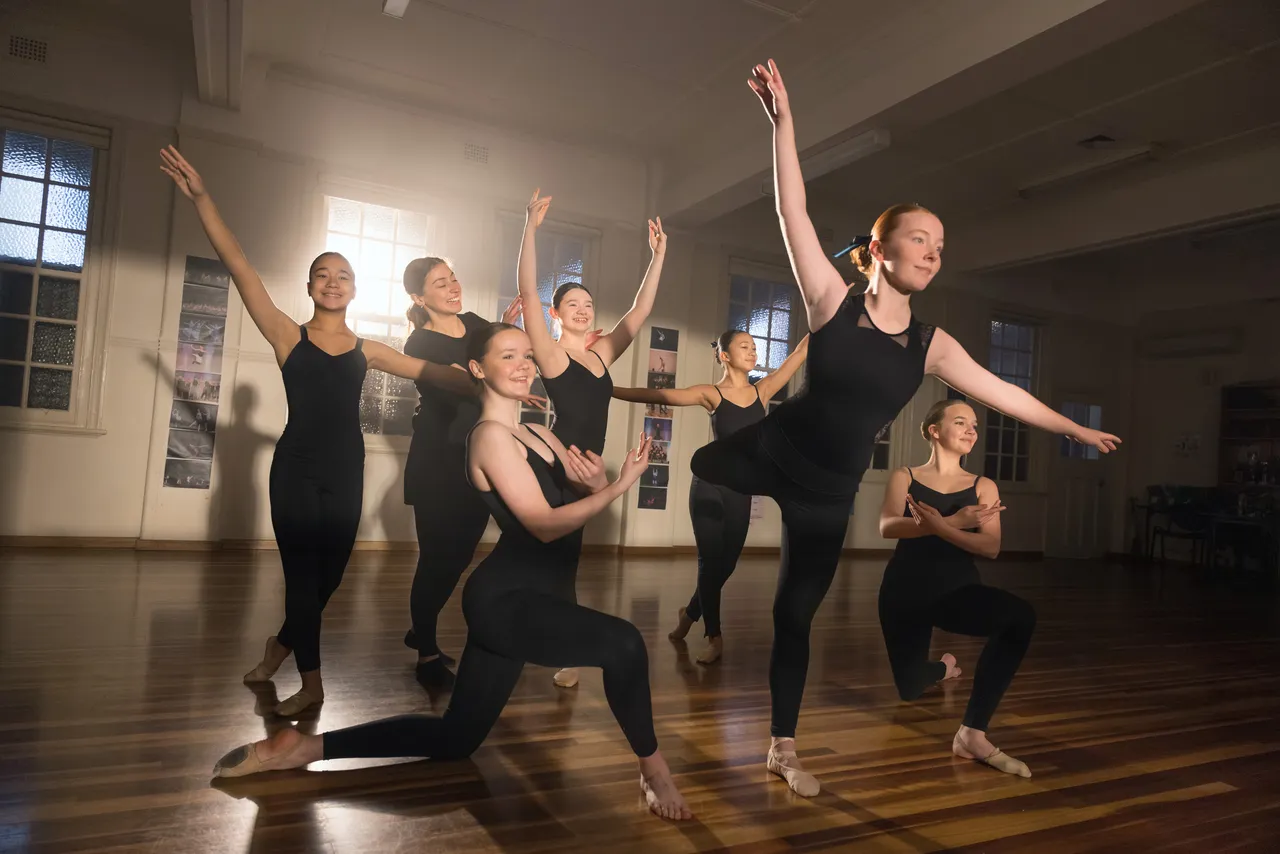
- Transition Program: Designed to help students transition to their new high school environment and to develop skills which will help them to flourish throughout their time at OLMC. These skills vary from digital literacy and independent learning to team building and communication, mindfulness, resilience and more.
- Homeroom System: Girls have the same Homeroom Group, House Mentor and House Leader for the six years they are at OLMC which helps them make a smooth transition and build lasting support groups. Each Homeroom includes girls from Years 7 through to Year 12.
- Year 7 Camp: A chance for the girls to have fun with new friends and challenge themselves with new activities.
- Student Wellbeing Program: Formal and informal sessions and events aimed at building skills and relationships.
- Counselling: All students have access to College Counsellors.
What is OLMC's approach to student management?
The College is committed to providing a safe and caring environment which fosters respect for others. OLMC’s whole school approach to student management:
- Based on gospel values of mercy and justice and the Gospel teaching of “Whatever you do to the least of my brothers and sisters you do unto me”
- Focuses on the overall well-being and growth of each individual as well as the welfare of the entire College community
- Emphasises respect for self, respect for others and respect for the proper use of authority
- Works in partnership with students and parents
- Invites students to learn and grow from their mistakes
- Promotes listening and forgiveness
- Underpinned by a commitment to the just and equitable treatment of students and the maintenance of their dignity
- Aims to develop in students a genuine sense of social responsibility for themselves and the wider community
- Focused on developing student self-discipline and an understanding of consequences of actions
- Affirms and rewards positive behaviours and intentions and applies sanctions for unacceptable behaviour
Does the College have a Merit System?
Yes, the Merit System at the College aims to recognise and acknowledge students for any outstanding academic effort and achievement, positive attitude towards uniform, co-curricular commitment, good behaviour and general positive contribution to College life. Students receive Merit Codes for their efforts rather than their natural abilities.
Merit Codes are accumulated over a student’s entire time at the College and lead to Bronze, Silver and Gold Certificates. Students who receive 7 Gold Merit Certificates during their time at OLMC are awarded the prestigious Mercy Bracelet (normally presented at Year 12 Graduation).
What does student leadership look like at the College?
The College's Student Leadership model is based on service to the community, taking an example from the lives of Jesus Christ and Catherine McAuley.
Student Leadership at OLMC aims to:
- Provide students in all year levels with opportunities to undertake leadership roles among their peers
- Develop a vibrant community among the students of the College through active and effective student leadership
- Provide processes to allow students to exercise effective choice in the election of student leaders
- Provide support structures within the College to facilitate effective student leadership
We acknowledge the Burramattagal People of the Darug Nation, the traditional custodians of the land in Parramatta. We acknowledge the Elders, past and present and their ancestors who have had a deep relationship with country.